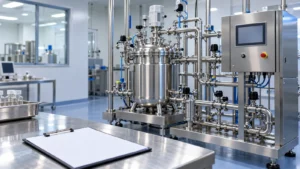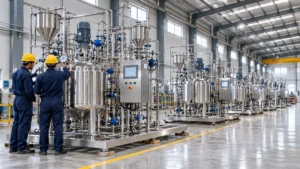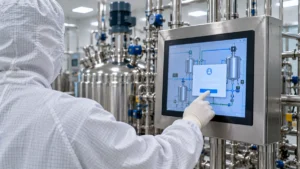
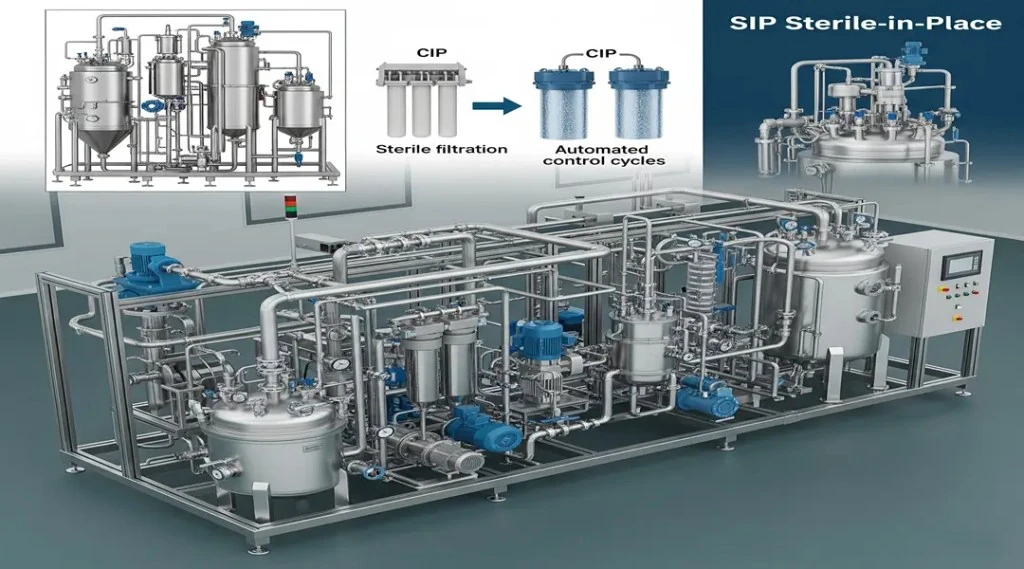
In pharmaceuticals, biotechnology, and food production industries, maintaining sterility is not just important—it’s essential. Without proper control, any incorrect mixture or contamination during the manufacturing process can quickly lead to product recalls, regulatory penalties, and even serious risks to consumer health. Consequently, companies must adopt reliable solutions to avoid such setbacks. To address this, many turn to Sterilization-in-Place (SIP) systems. Unlike traditional methods, SIP technology ensures that equipment remains sterile throughout production without needing to be disassembled. Furthermore, this approach enhances safety, reduces downtime, and supports compliance with industry regulations. In addition, it improves overall efficiency and maintains product integrity. Therefore, SIP system have become a critical component of modern manufacturing processes.
Below are the answers to the questions which might arise in your mind.
What is a SIP System?
How Does a SIP System Work?
Key Components of an SIP System
Benefits of Using an SIP System
Best Practices for SIP System Optimization
Why Choose Esteril for SIP Systems?
What is a SIP System?
A Sterilization-in-Place (SIP) system is an automated method that sterilizes the internal surfaces of tanks, pipes, bioreactors, fermenters, and other process equipment—all without the need for dismantling. Using high-temperature steam or hot water, the system effectively eliminates bacteria, viruses, fungi, and other harmful microorganisms. As a result, SIP ensures product safety and regulatory compliance across various industries.
SIP systems are commonly used in:
Pharmaceutical & Biotechnology – They ensure sterility in drug and vaccine manufacturing, therefore protecting patient safety and product integrity.
Food & Beverage – These systems keep equipment free from harmful bacteria, which in turn maintains hygiene and extends product shelf life.
Dairy Industry – SIP prevents contamination in milk and cheese processing, ensuring safe, high-quality dairy products.
Cosmetics & Personal Care – They maintain clean environments for skincare and beauty products, thus supporting both product safety and brand trust.
By automating the sterilization process, SIP systems not only save time but also reduce contamination risks and ensure compliance with industry regulations. Moreover, they improve consistency and enhance overall operational efficiency.
How Does a SIP System Work?
The SIP (Sterilization-in-Place) process follows a precise sequence to ensure complete elimination of microorganisms from the system. Here’s how it works step-by-step:
1. Preparation Phase
- Technicians inspect the system for any residual product, moisture, or contaminants.
At the same time, they check all drain valves and air vents to ensure proper steam circulation. As a result, the system becomes ready for safe and effective sterilization.
2. Pre-Sterilization Rinse (If required)
- In some systems, a hot water rinse removes the remaining residues before steam sterilization.
This step, although optional, enhances the overall cleaning efficiency and prepares internal surfaces for uniform steam contact.
3. Steam Introduction
- Next, high-pressure, high-temperature steam enters the system.
Typically, the sterilization process operates at 121°C (250°F) for 15–30 minutes.
During this time, the steam penetrates all internal surfaces, effectively killing bacteria, viruses, and other microorganisms.
4. Holding Phase
- The system then maintains the required temperature and pressure for a defined duration.
Meanwhile, built-in sensors track the sterilization parameters to ensure complete microbial elimination.
Consequently, this phase guarantees that regulatory and safety standards are met.
5. Cooling Phase
- Once sterilization is complete, the system cools down using sterile air or water.
Controlled cooling is essential as it prevents sudden temperature shifts that could otherwise damage sensitive equipment.
6. Drying Phase (If required)
- In certain setups, filtered sterile air dries the system to prevent condensation.
Because moisture can lead to microbial growth, this step helps maintain the system’s sterility until the next use.
7. Validation & Documentation
- Finally, sensors and automated controls record each sterilization cycle.
In addition, the system generates validation reports to demonstrate compliance with FDA, cGMP, and ASME BPE standards.
Thus, all documentation remains audit-ready and aligned with regulatory expectations.
By following this automated, carefully monitored cycle, SIP systems ensure that all equipment remains sterile and ready for the next production batch, with minimal downtime and maximum reliability.
Key Components of an SIP System
A well-designed SIP (Sterilization-in-Place) system includes several key components that work together to deliver effective and repeatable sterilization. Each component plays a vital role in maintaining sterility and supporting regulatory compliance.
1. Steam Generator or Boiler
- The steam generator produces saturated steam at the correct temperature and pressure required for sterilization.
- As a result, it ensures consistent steam quality, which is essential for effectively killing microorganisms.
- Furthermore, reliable steam generation supports uniform sterilization across all equipment surfaces.
2. Piping & Valves
- This network directs steam throughout tanks, piping, and other processing equipment.
To maintain cleanliness, manufacturers use sanitary-grade stainless steel, which prevents corrosion and contamination.
In addition, the piping system is often designed with minimal dead legs to reduce microbial risk.
3. Control & Automation System
- Advanced automation systems monitor and control steam flow, pressure, and temperature during the entire sterilization cycle.
Consequently, they ensure every cycle meets the required parameters for effective sterilization.
Moreover, programmable logic controllers (PLCs) and human-machine interfaces (HMIs) allow operators to manage processes with precision.
4. Sensors & Monitoring Devices
- Temperature probes and pressure sensors continuously track critical data throughout the sterilization process.
At the same time, data logging capabilities capture cycle details for validation and compliance reporting.
Because of this, regulatory documentation becomes easier and more accurate.
5. Vent Filters & Drains
- Vent filters and automated drain systems remove air and condensation during the sterilization process.
Importantly, these filters allow only sterile air to re-enter the system, thereby preventing recontamination.
This step is crucial for maintaining sterility after steam exposure.
6. Heat Exchangers
- After sterilization, heat exchangers control the cooling process.
Rather than allowing sudden temperature drops, they gradually reduce system temperature to protect sensitive equipment.
Additionally, this controlled cooling phase helps maintain system integrity and operational longevity.
Benefits of Using an SIP System
1. Ensures Complete Sterility
- SIP systems effectively eliminate bacteria, fungi, viruses, and other harmful microorganisms.
- As a result, they guarantee a safe, contamination-free production environment for critical applications.
2. Compliance with Industry Regulations
- These systems meet global hygiene and safety standards, such as:
✔ FDA (Food and Drug Administration)
✔ cGMP (Current Good Manufacturing Practices)
✔ ASME BPE (Bioprocessing Equipment Standard)
✔ USP <797> and <800> for pharmaceutical applications - Therefore, SIP helps companies maintain certification and pass audits confidently.
3. Reduces Downtime & Improves Productivity
- SIP systems eliminate the need for manual sterilization or disassembly.
Consequently, teams can perform faster changeovers between batches and maximize equipment uptime.
4. Lower Operating Costs
- By minimizing labor, water use, and energy consumption, SIP systems significantly reduce operational costs.
In addition, they extend equipment life by preventing frequent contamination-related damage.
Enhances Automation and Process Control
- These systems deliver consistent, repeatable sterilization cycles through automated control and monitoring.
This not only reduces human error but also strengthens process validation and compliance.
6. Environmentally Friendly & Sustainable
- Compared to traditional methods, SIP uses fewer chemicals and less water.
As a result, it supports environmental goals by reducing waste and overall resource consumption.
Best Practices for Optimizing an SIP System
Regular System Validation – Conduct routine tests to ensure sterilization effectiveness.
Optimize Steam Quality – Use only filtered, high-purity steam to prevent contamination.
Monitor Critical Parameters – Track temperature, pressure, and exposure time to guarantee sterility.
Automate Data Logging – Keep accurate records for compliance and audits.
Train Personnel on Proper Procedures – Ensure staff understand how to operate and maintain the SIP system.
Why Choose Esteril for SIP Systems?
At Esteril, we design and manufacture high-performance SIP systems tailored to the pharmaceutical, biotech, and food industries. Here’s why businesses trust us:
Industry Expertise
- Years of experience providing state-of-the-art SIP systems.
- In-depth knowledge of hygiene-critical manufacturing environments.
Regulatory Compliance
- Our SIP systems meet FDA, cGMP, ASME BPE, and USP standards.
- We ensure full validation support and compliance documentation.
Advanced Automation & Monitoring
- Smart control systems with real-time monitoring and reporting.
- Custom SIP solutions to fit your facility’s needs.
Cost & Energy Efficiency
- Optimized steam cycles reduce energy and water consumption.
- Lowers operational costs while maintaining high sterilization performance.
Dedicated Customer Support
- From design and installation to maintenance, we offer end-to-end support.
- Our specialists ensure your SIP system runs at peak efficiency.
FAQ’s
1. What is a SIP System?
A Sterilize-in-Place (SIP) system automates the sterilization process to eliminate bacteria, viruses, fungi, and other microorganisms from equipment, without requiring disassembly. Typically, it uses high-temperature steam or a chemical sterilant to achieve thorough sterilization. As a result, tanks, pipelines, vessels, and other processing equipment remain sterile before production begins. This not only ensures product safety but also supports regulatory compliance and operational efficiency.
2. What are the Benefits of Using an SIP System?
- Ensures Sterility – Kills all microbial contamination before production.
- Regulatory Compliance – Meets FDA, cGMP, and ASME BPE sterilization standards.
- Reduces Downtime – Eliminates the need for manual sterilization.
- Cost-Effective – Lowers labor costs and chemical usage.
- Improves Product Safety – Ensures pharmaceuticals and biopharmaceuticals are contamination-free.
3. How Does an SIP System Work?
An SIP system follows a structured sterilization process:
- Preparation – Equipment is checked for residual moisture or contamination.
- Steam Introduction – High-temperature steam (usually 121°C for 15–30 minutes) is injected.
- Holding Phase – The sterilization temperature and pressure are maintained.
- Cooling Phase – The system is cooled down using sterile air or water.
- Drying (If required) – Ensures no residual moisture remains.
4. Which Industries Use SIP Systems?
- Pharmaceuticals & Bio-Pharmaceuticals – SIP systems ensure sterility in drug and vaccine production, thereby protecting patient safety and product efficacy.
- Food & Beverage – These systems keep processing lines free from harmful microorganisms, which in turn helps extend shelf life and meet hygiene standards.
- Dairy & Brewery – SIP technology maintains sterile conditions during milk, beer, and other liquid processing, thus preserving product quality and flavor.
- Cosmetics & Personal Care – SIP systems prevent bacterial contamination in lotions, serums, and other formulations, ensuring product purity and consumer trust.
5. What is the Difference Between CIP and SIP?
- CIP (Clean-in-Place) systems effectively remove dirt, residues, and chemical contaminants by using detergents and water. As a result, they ensure clean and hygienic equipment without disassembly.
- SIP (Sterilize-in-Place): Uses steam or chemical agents to kill microorganisms after CIP.
Both processes work together to maintain hygiene and sterility in manufacturing environments.
Conclusion
A Sterilize-in-Place (SIP) system is a must-have for industries that rely on sterile production environments, like pharmaceuticals and biotechnology. It ensures that equipment is thoroughly sterilized using steam or chemicals, preventing contamination and keeping products safe. Since it’s an automated process, it saves time, reduces manual work, and helps meet strict industry regulations like FDA and cGMP.
At Esteril, we provide custom SIP solutions designed to keep your operations running smoothly and efficiently. Get in touch with us today to find out how our systems can support your business—call or email us now. You can also visit our LinkedIn profile for more updates.